
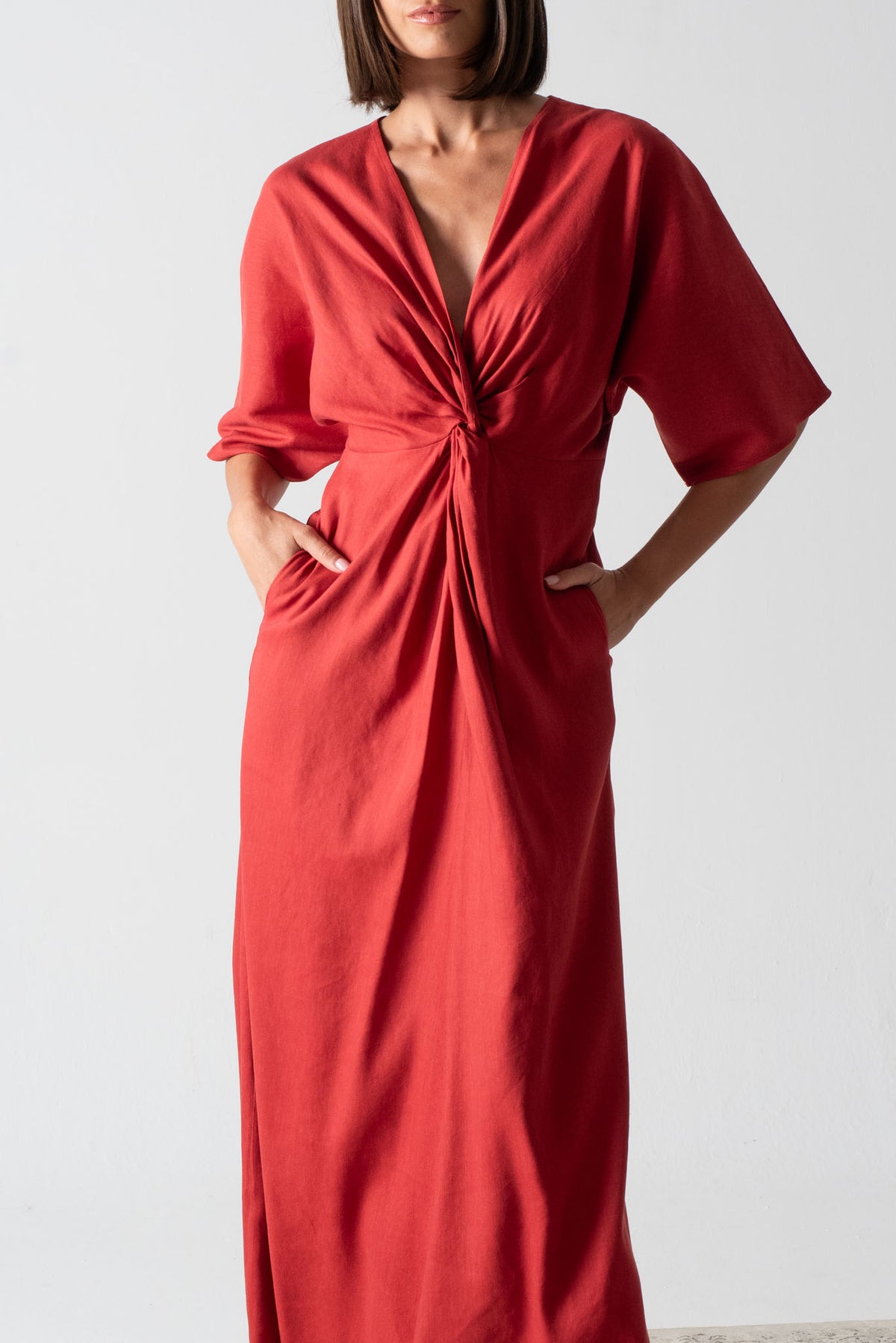

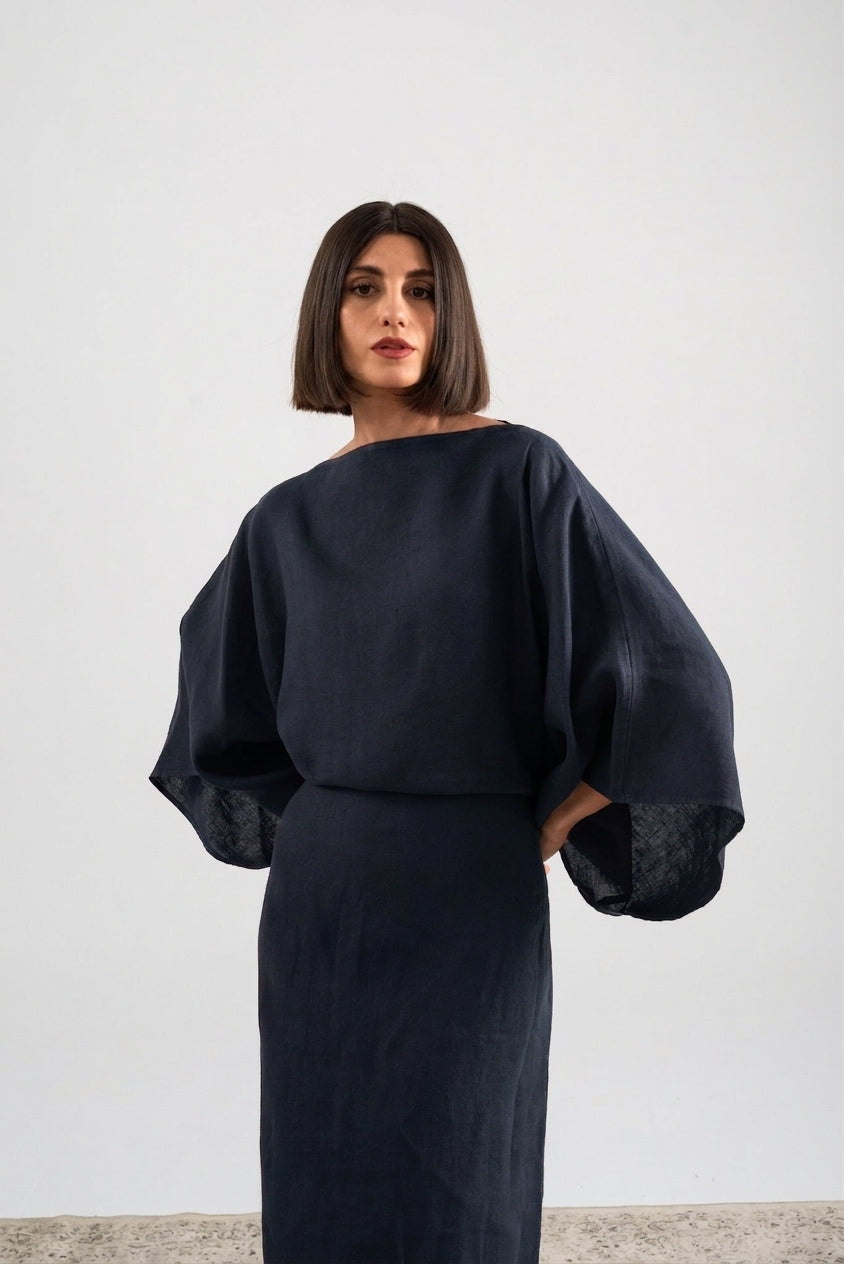




You've just unboxed your new linen clothing and it feels… crisp. Structured. A little more textured than you expected, if we're being honest. Before you return it or resign yourself to wearing something that feels like it needs a few more rounds in the wash, we have good news. This is completely normal, and it is also completely fixable.
Linen is one of those rare fabrics that genuinely gets better with time. That initial crispness is a sign of quality, not a flaw — it means the fibres haven't been chemically treated to feel artificially soft out of the packet. What follows is a guide to 4 natural methods for softening linen clothing at home, so you can fast-track your way to that buttery, lived-in feel.

Why does linen feel crisp at first?
Linen is made from flax fibres, which are naturally longer and more structured than cotton. This gives linen its signature texture and incredible durability, but it also means new linen can feel more rigid than you might expect. The fibres need time — and a little help — to relax and align. New to the fabric? Our guide on what is linen covers everything from the flax plant to the finished cloth.
There is also a distinction worth knowing: pre-washed linen starts softer than unwashed linen straight off the bolt. At LUXMII, our pieces are pre-washed at our Portuguese atelier using Belgian and Dutch flax, which means you are already a few steps ahead. Even so, a little extra softening never hurt anyone.
Wondering how the timeline works? Read our guide on does linen soften over time for the full picture.
Should you use fabric softener on linen?
No — and this surprises a lot of people. Traditional fabric softeners work by coating fibres with a waxy residue that creates the sensation of softness. On linen, this coating actually prevents the fibres from softening naturally over time and can reduce the fabric's breathability and moisture-wicking properties. You would essentially be trading long-term buttery softness for a short-term fix that makes your linen worse in the long run.
Skip the fabric softener entirely. The methods below are gentler, more effective, and won't compromise the integrity of your linen pants, shirts, or linen dresses.
4 methods to soften linen at home
These methods are listed in order of gentleness. Start with method one — it works for most people — and work your way down only if you want faster or more dramatic results. And a quick note before you begin: if you plan to try baking soda or white vinegar, test on an older piece first. Consider this the mum who checks your passport before you leave for the airport. Annoying, but she's usually right.

1. Wash your linen (and then wash it again)
Same as Audrey Hepburn or Grace Kelly, linen is a classic beauty that only gets better with age. Like a fine wine or a perfectly aged French cheese, this natural textile gains more personality and a softer, more supple texture with every wash and wear. Is anyone else suddenly hungry?
The process is not complicated. Wash your linen on a gentle machine cycle using a mild, liquid detergent. Air dry. Wear it. Repeat. Each wash relaxes the flax fibres a little more, and after 3 to 5 cycles you will notice a significant difference in how the fabric feels against the skin.
Unlike fast fashion pieces that pill and fall apart after a handful of wears, linen is extraordinarily durable. It will be in your wardrobe for years — brought out for garden parties, Sunday lunches, and those days when you want to look effortless without trying very hard.
For the full step-by-step on washing technique, read our guide on how to wash linen.
2. Iron your linen
Two birds, one iron. As well as giving you that crisp, polished finish, ironing softens the flax fibres in linen fabric by applying gentle heat and pressure that helps them relax and align. The result is a smoother, softer texture — and a very good-looking piece of clothing.
The key is to iron while the fabric is still slightly damp. Lightly spritz your piece with water before you start, then use a pressing cloth over any delicate sections. Medium-to-high heat works well for most linen garments, but always check the care label first.
For everything you need to know about technique, temperatures, and which pieces need extra care, read our full guide on how to iron linen.

3. Add white vinegar to the rinse cycle
Yes, the same vinegar in salt and vinegar chips. And yes, it really works on linen.
White vinegar is a natural fabric softener because its mild acidity helps dissolve any trapped detergent, mineral deposits, and residue sitting in the fabric fibres — the very things that keep linen feeling more textured than you'd like. Add half a cup of white vinegar to your washing machine's final rinse cycle while using your regular detergent as normal.
The smell? Gone completely by the time the cycle finishes. You will be left with clean, odourless, noticeably softer linen clothing — no eau de chip shop, promise.
4. Use baking soda
Head to the kitchen pantry. Baking soda — a naturally occurring mineral with alkaline properties — is arguably the most effective of the four methods for a faster, more noticeable result.
It works by softening the water itself, neutralising any mineral build-up that prevents the fabric from softening, and helping to flush out detergent residue. Think of it as the Goldilocks of your laundry cycle: not too acidic, not too alkaline, just right.
Add half a cup of baking soda dissolved in a little water to your regular wash cycle, skipping the detergent entirely this time. Wash as normal, and repeat if needed. The results tend to be noticeably softer than washing alone.

Can you use baking soda and white vinegar together?
No. Use one or the other, never both at the same time. Baking soda is alkaline; white vinegar is acidic. Combining them in the same wash creates a neutral reaction that cancels both out — you will end up with no softening effect at all, and potentially some very confused linen.
It can be tempting to think that doubling up means faster results. It does not. Go slowly, go gently, and let the fabric respond at its own pace.

Conclusion: how to soften linen clothing
That initial crispness is temporary. With a little patience and any of the methods above, your pieces will settle into that effortlessly soft, lived-in texture that linen lovers swear by. Here is a quick recap:
- Wash and wear repeatedly. The simplest method and the most natural. Regular machine washing on a gentle cycle softens linen over time — no special ingredients needed. Pair with our complete linen care guide to keep your pieces in top condition.
- Iron while damp. Softens the fibres while giving you a crisp, polished result. A light spritz of water and a pressing cloth are all you need. See our ironing guide for full technique.
- Add white vinegar to the rinse cycle. Half a cup in the final rinse dissolves residue and leaves linen dresses and separates noticeably softer. No lingering smell.
- Use baking soda in the wash. The most effective method for a faster result. Half a cup dissolved in water, no detergent, wash as normal. Repeat as needed.
- Skip the fabric softener. It coats the fibres and works against natural softening over time. The methods above are more effective and kinder to your linen pants and clothing long-term.